
Jal Tattva: The Water Element
Nothing in the world is softer than water, yet nothing can surpass it in overcoming the hard.
Lao Tzu
The Principle of Water
Across ancient wisdom traditions, the Water Element represents the principles of flow, adaptability, cohesion, emotion, and life itself.
Just as the Earth element gives form and structure, the Water element gives movement. It is the force that allows life to circulate, nourish, adapt, and connect.
Without movement, life becomes rigid. Without water, life cannot flourish.
The Nature of Water
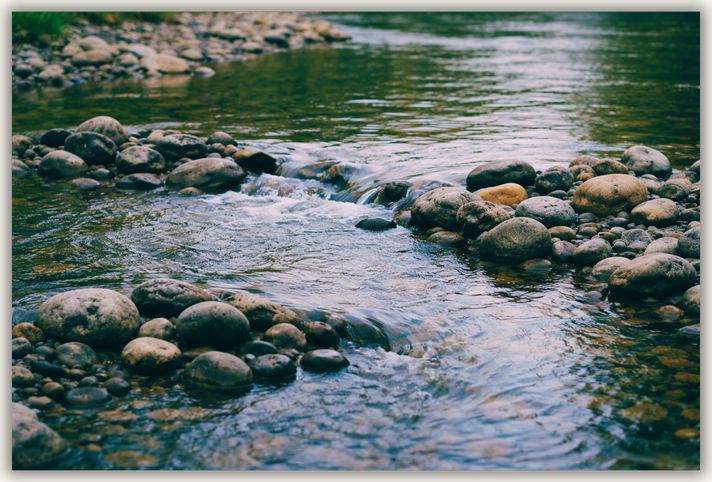
Water never resists its nature.
It does not cling to a single shape. Instead, it takes the form of whatever contains it while never ceasing to be water.
For this reason, many ancient traditions associate water with the qualities of:
- Fluidity
- Adaptability
- Sensitivity
- Connection
- Receptivity
- Nourishment
- Memory and impression
Water reminds us that strength is often found not in resistance, but in the ability to flow.
Water and the Human Body
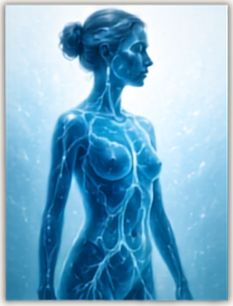
The human body is composed primarily of water. Across ancient traditions, this is understood not only as a biological fact but also as an energetic principle.
Water governs:
- Blood
- Lymph
- Reproductive fluids
- Saliva
- Urine
- Cellular nourishment
- Lubrication of the joints
- Hormonal balance
Where water moves freely, vitality follows.
Where it stagnates, imbalance and disease gradually emerge.
Water and the Mind
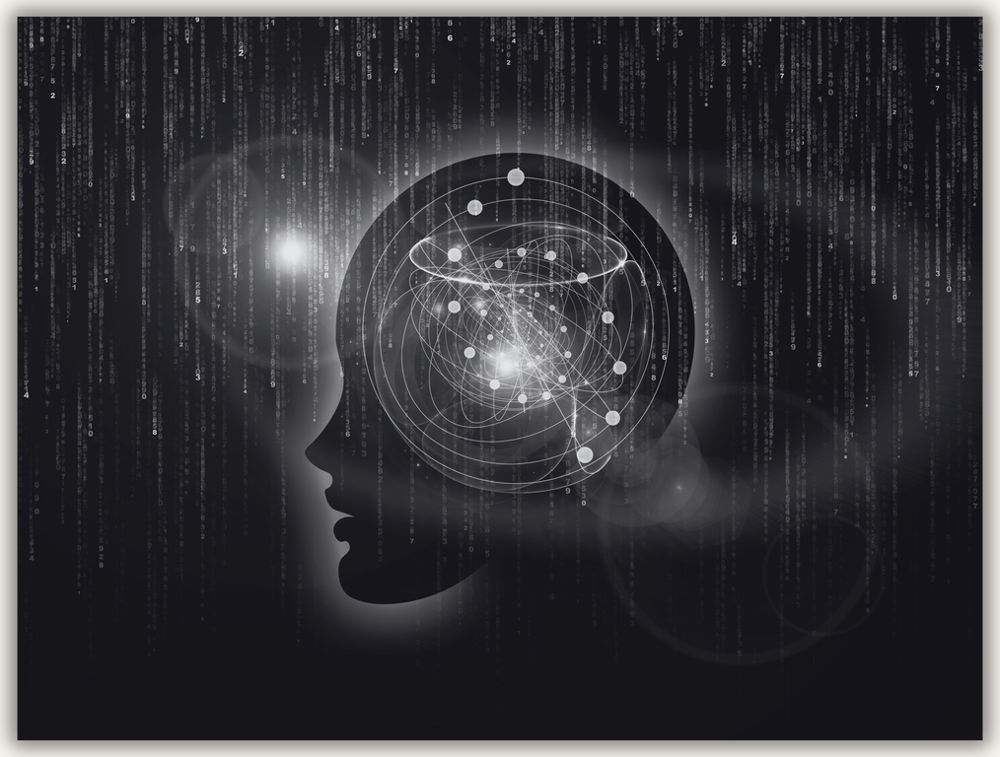
The mind behaves much like water. Thoughts ripple through consciousness, gather momentum, become waves, reflect our experiences, and are easily disturbed by even the smallest influences.
A still lake reflects the moon with perfect clarity.
A turbulent lake reflects nothing clearly.
Likewise, a restless mind cannot perceive reality clearly. A calm mind reflects truth.
This is why meditation is often described not as creating something new, but as allowing the waters of the mind to settle naturally.
The Moon and Water
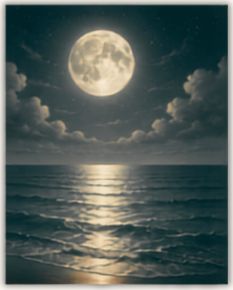
Across many ancient traditions, the Water element is closely associated with the moon.
The moon has long been regarded as influencing:
- Emotional rhythms
- Bodily fluids
- Fertility
- Sleep
- Cycles of growth
- Receptivity
Whether understood literally, symbolically, or experientially, the moon represents the cooling, reflective, and nurturing aspects of life. This is why many ancient practices are aligned with the lunar cycle.
Water Element and the Sacral Chakra
Within the yogic tradition, the Water element is associated with the Sacral Chakra, the centre of creativity, emotion, and relationship.
Its qualities include:
- Creativity
- Pleasure
- Healthy emotions
- Intimacy
- Sensuality
- Reproduction
- Adaptability
When the Water element is balanced:
- Emotions flow naturally.
- Creativity emerges effortlessly.
- Relationships feel alive rather than possessive.
When it is disturbed, it may manifest as:
- Emotional instability
- Attachment
- Jealousy
- Guilt
- Addiction
- Emotional numbness
- Inability to trust
- Suppression of feelings
Neither emotional flooding nor emotional dryness reflects a balanced Water element.
Practices to Balance the Water Element
Traditional practices that help cultivate the Water element include:
- Spending quiet time near rivers, lakes, or the sea
- Mindful hydration
- Lunar-oriented meditation
- Hip-opening postures that release stored tension
- Gentle, flowing movement rather than forceful exercise
- Observing emotions without suppressing or indulging them
- Cultivating gratitude and compassion, qualities that soften the heart
The Deeper Question
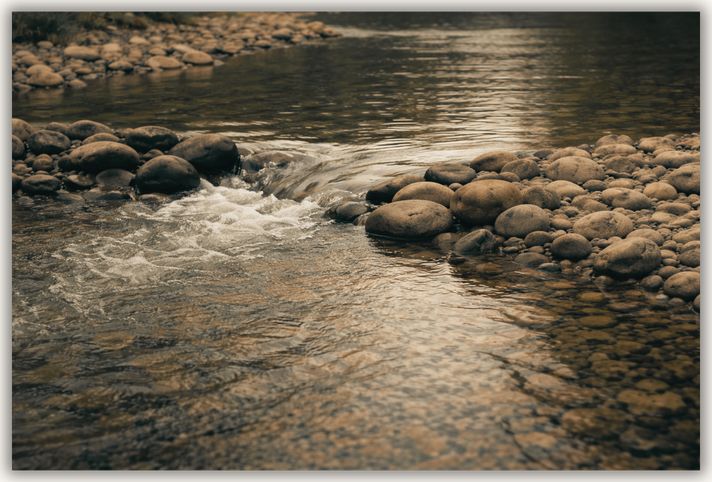
Ultimately, Jal Tattwa /Water Element is not merely about water. It asks a deeper question:
Can you move through life without losing your essence?
A river changes its shape every moment.
Yet it never stops being a river.
Likewise, the path of inner growth does not ask us to become rigid in pursuit of truth. Instead, it invites us to become so deeply rooted in our essential nature that we can adapt to changing circumstances without losing ourselves.
In that sense, it is the art of remaining inwardly true while outwardly fluid—a balance of depth, sensitivity, and resilience that allows life to keep flowing.
A Moment of Reflection

Before moving on, take a moment to observe.
Where in your life are you resisting when you could flow?
What emotions have you been trying to control rather than understand?
What would it mean to move like water without losing yourself?
A Simple Practice
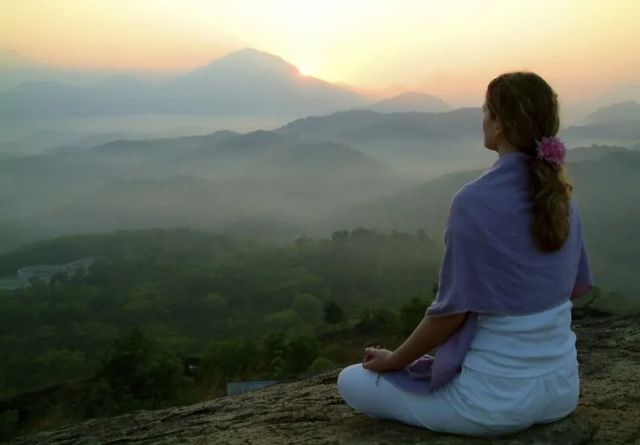
Sit quietly for three minutes.
Notice your breath without changing it.
Imagine a still lake.
As thoughts arise, watch them as ripples moving across its surface.
Don’t stop the ripples.
Simply let the water become still on its own.
Read the Panch Mahabhuta Series
- The Creation: A Sankhya Perspective
- Jal: The Water Element (you are here)
- Agni: The Fire Element
- Vayu: The Air Element
- Akasha: Space, Ether
- Prithvi: The Earth Element